
Loading...





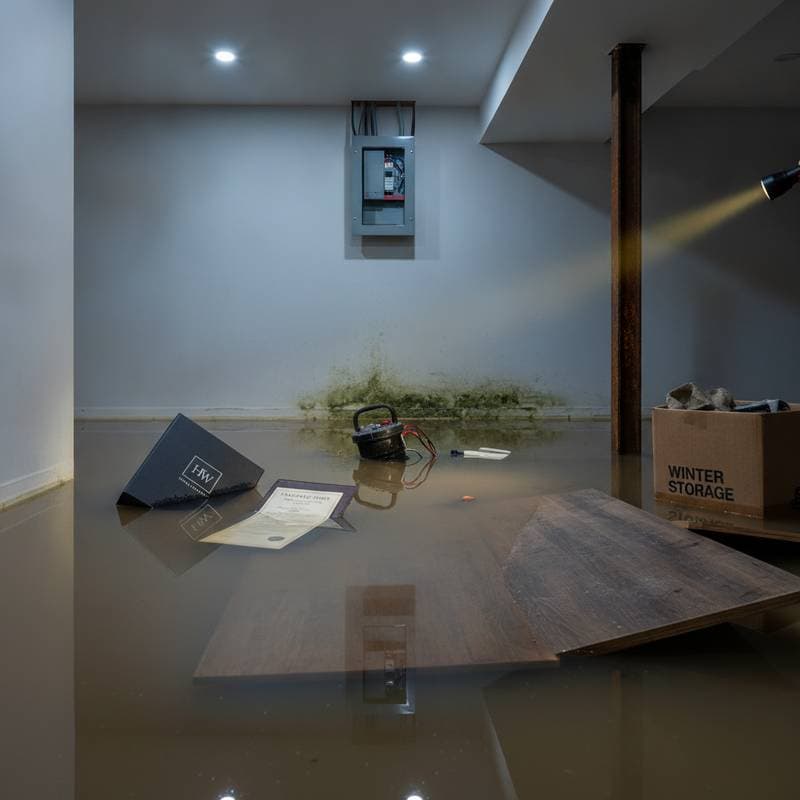
A flooded basement can cost $1,500 to $10,000 or exceed $15,000 with sewage, mold, or structural damage. Home insurance may cover sudden internal leaks, while flood policies address rising groundwater and warranties may cover failed pumps but not cleanup. Learn coverage limits, emergency steps, documentation tips, contractor guidance, timelines, and prevention strategies.
Flood-resistant flooring costs $2 to $15 per square foot before installation, but price alone does not guarantee protection. Vinyl and porcelain often offer the best balance, while seams, subfloors, moisture sources, warranties, insurance exclusions, and contractor quality determine real performance. Compare total ownership costs, document everything, and prepare beyond flooring.

Wildfire protection begins with ember defense: Class A roofing, resistant vents, tempered windows, durable siding, clean gutters, and a fuel-free five-foot perimeter. Costs range from hundreds for maintenance to $100,000-plus for comprehensive upgrades. Prioritize exposed areas, compare detailed contractor bids, follow local codes, and maintain defensible space before fire season arrives.

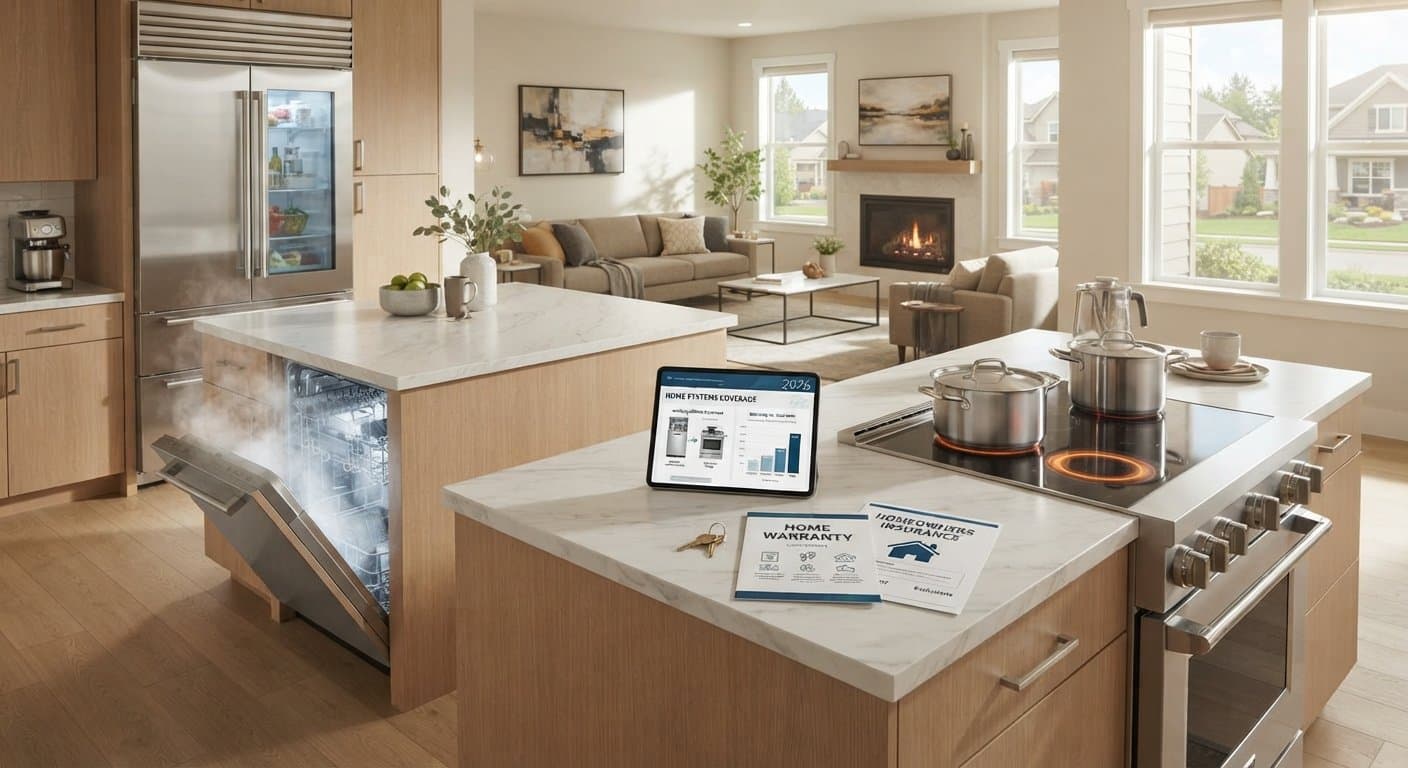
Landlord home warranties can make rental maintenance more predictable by covering eligible system and appliance breakdowns for an annual fee plus service charges. They are not insurance and come with exclusions, limits, and delays. Compare contracts carefully, document property conditions, maintain equipment, keep records, and hire licensed professionals for safety-critical repairs.
Solar installation costs typically range from $15,000 to $30,000 before incentives, with batteries and roof upgrades adding more. Federal tax credits and local programs may reduce expenses, but eligibility varies. Compare three detailed quotes, verify production estimates, financing, warranties, and utility rules to determine whether solar suits your home and budget.
Climate upgrades typically cost $8,000 to $25,000, though targeted fixes may cost far less. Prioritize hazards specific to your home, document improvements for insurance benefits, and hire qualified professionals for structural work.
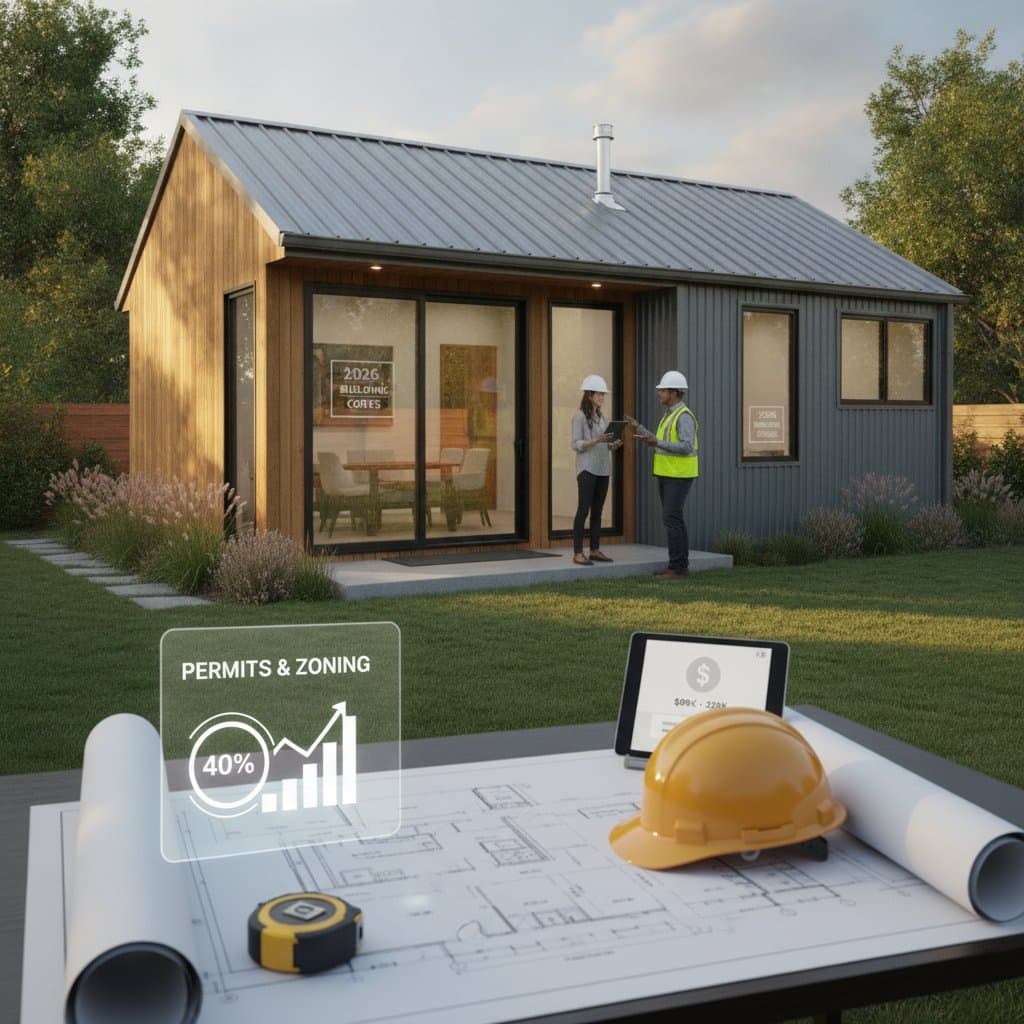
A granny pod typically costs $100,000–$300,000, with size, finishes, site conditions, utilities, and local approvals driving the final price. Before buying, confirm zoning, setbacks, permits, and fees. Compare itemized professional bids, budget 10–15% for surprises, and plan accessibility features early to create affordable, compliant, long-term housing.
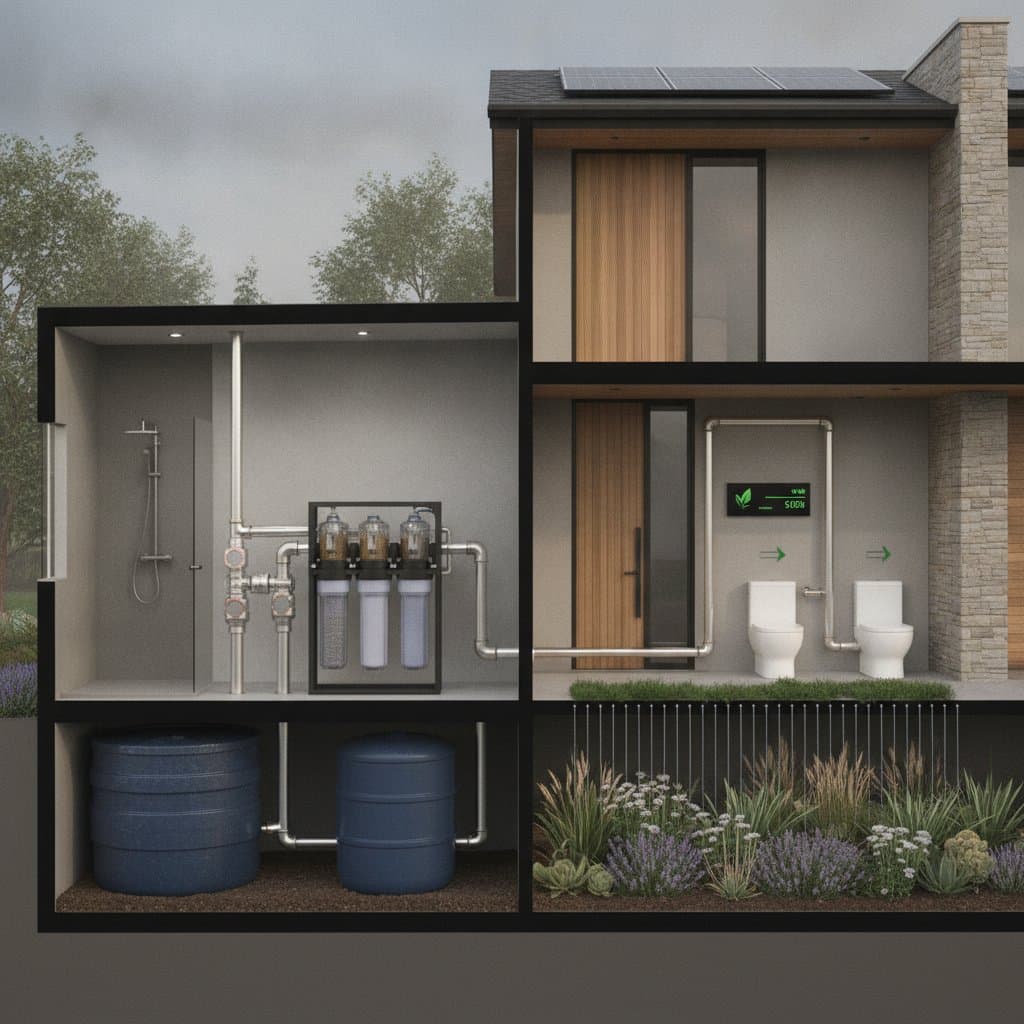
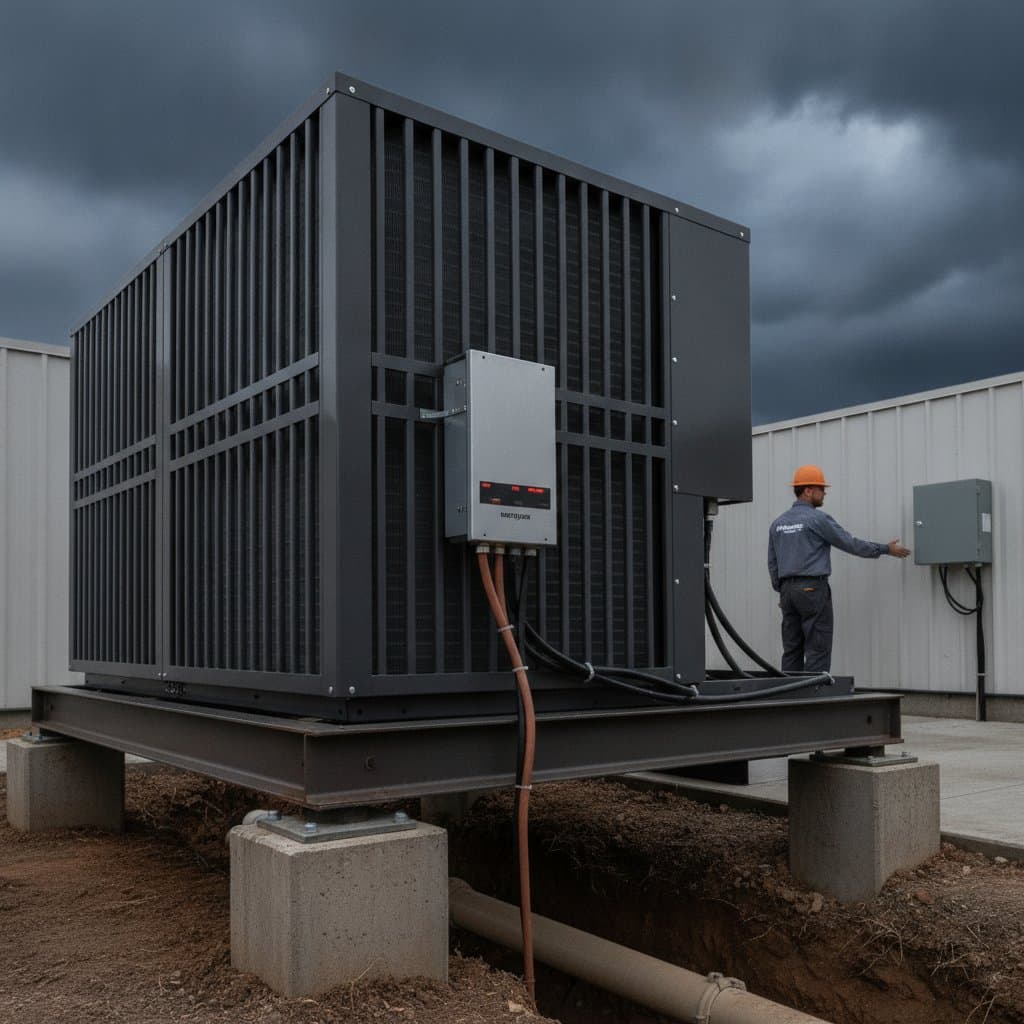
Flood upgrades can reduce damage, improve safety, and strengthen resale appeal—but savings are never automatic. Start with a professional risk assessment, prioritize targeted improvements, confirm insurer recognition in writing, and calculate total costs, financing, maintenance, and break-even time. Proper documentation, qualified contractors, and ongoing testing are essential to protecting both coverage and value.
Converting a room into a home office may offer tax savings, but eligibility depends on self-employment, regular exclusive use, documented expenses, and income limits. Compare simplified and actual methods, separate repairs from improvements, allocate shared costs, and preserve detailed records. Before spending, weigh deductions, depreciation, financing, and future sale consequences carefully.
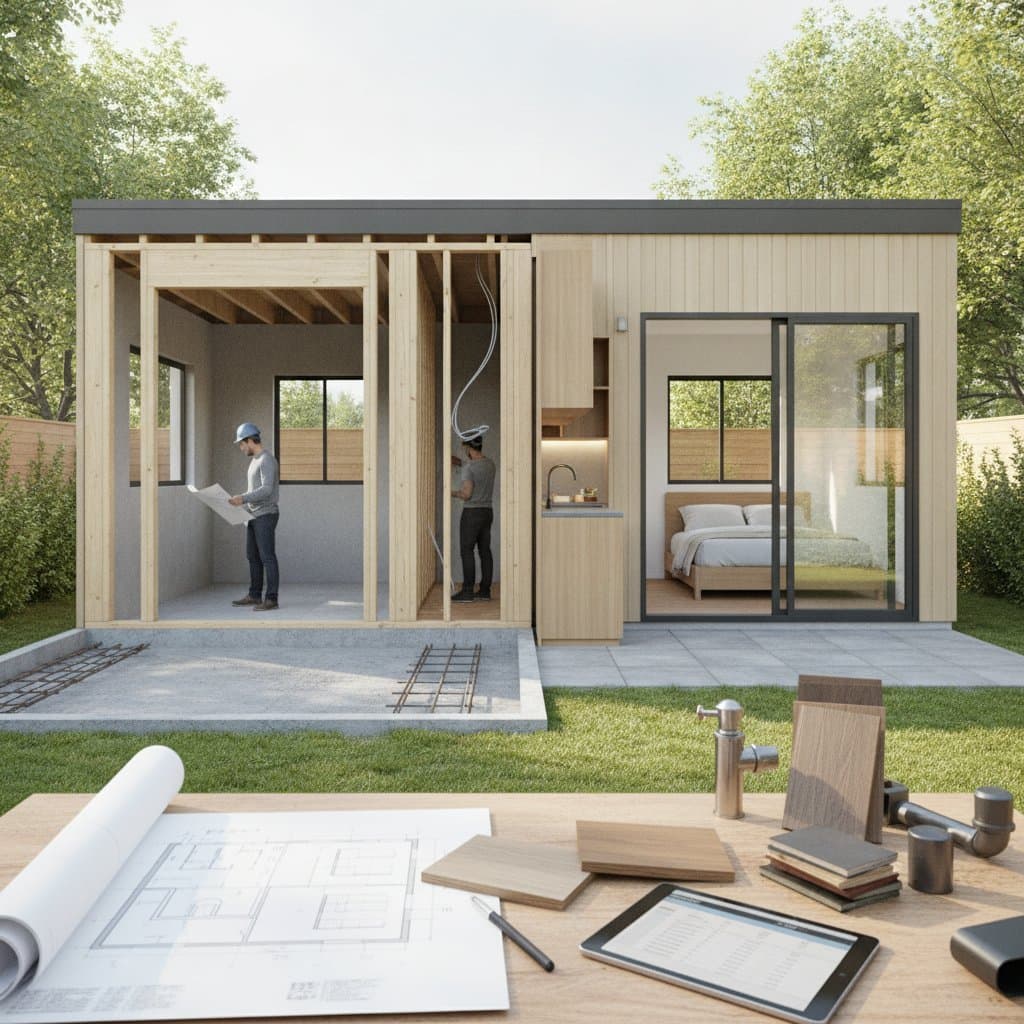
Learn the true expenses involved in building a granny flat in 2026. This guide details costs from design through final finishes, explains timeline factors, and outlines key decisions that influence total investment and property value.

Solar panel warranties define long-term value through product defect protection and performance guarantees. Exclusions, service fees, and claim processes vary widely. Understanding coverage levels and fine print helps homeowners avoid costly surprises.

Learn current flooring costs from vinyl to hardwood, see what home warranties actually cover, and find clear steps to choose materials, control expenses, and maintain value.


